
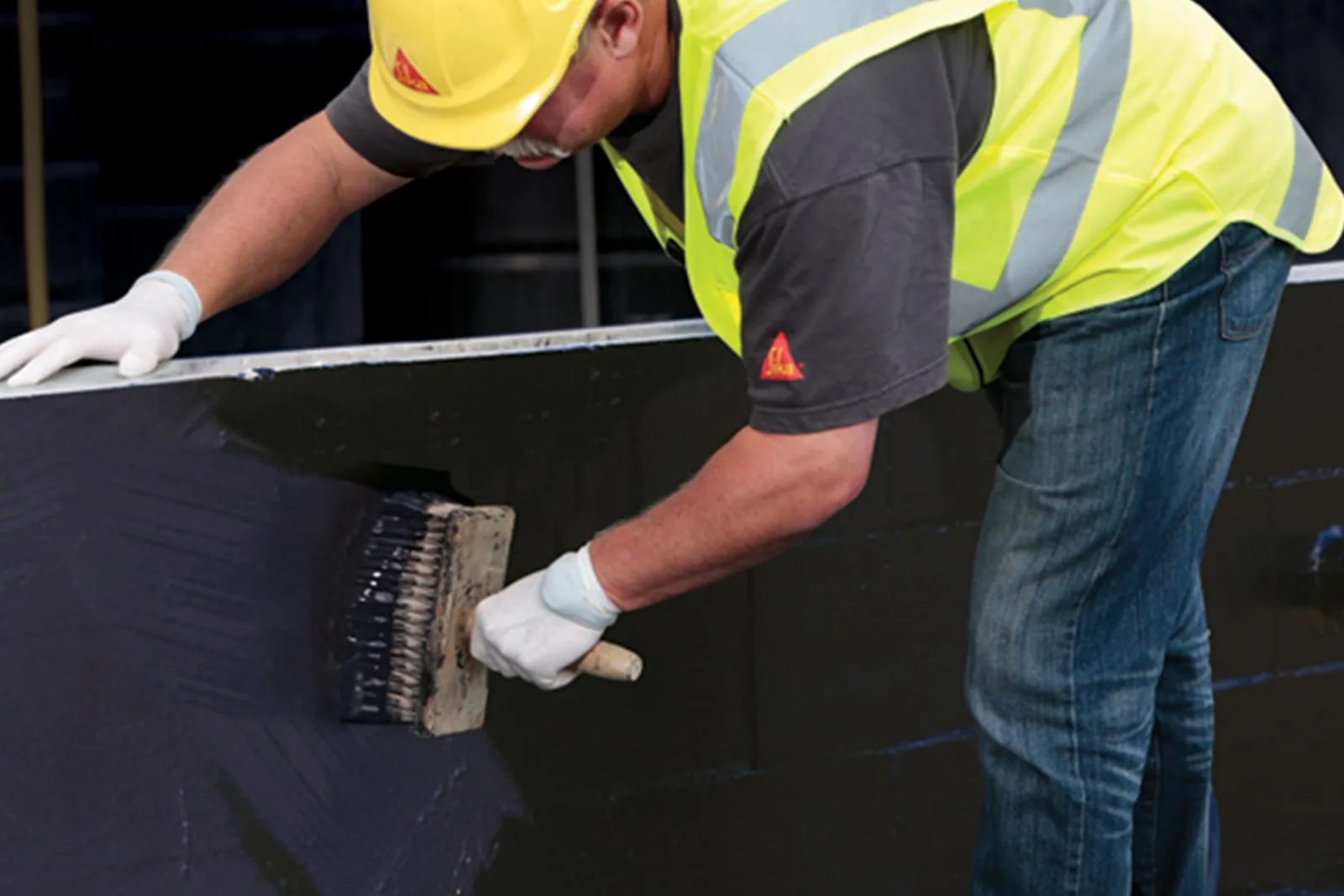
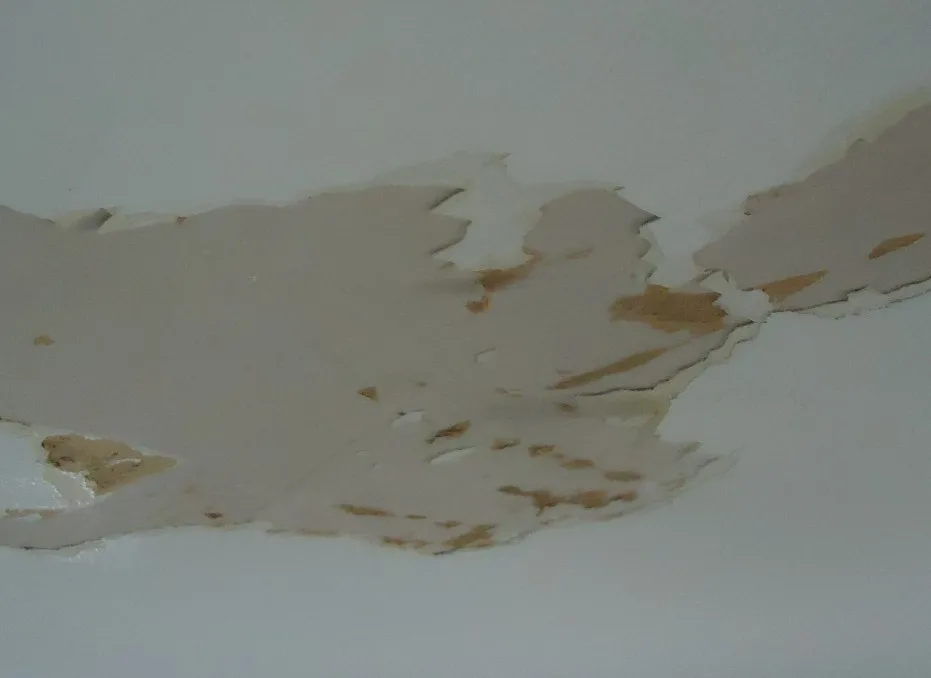
Cause 1: Leaks From Above
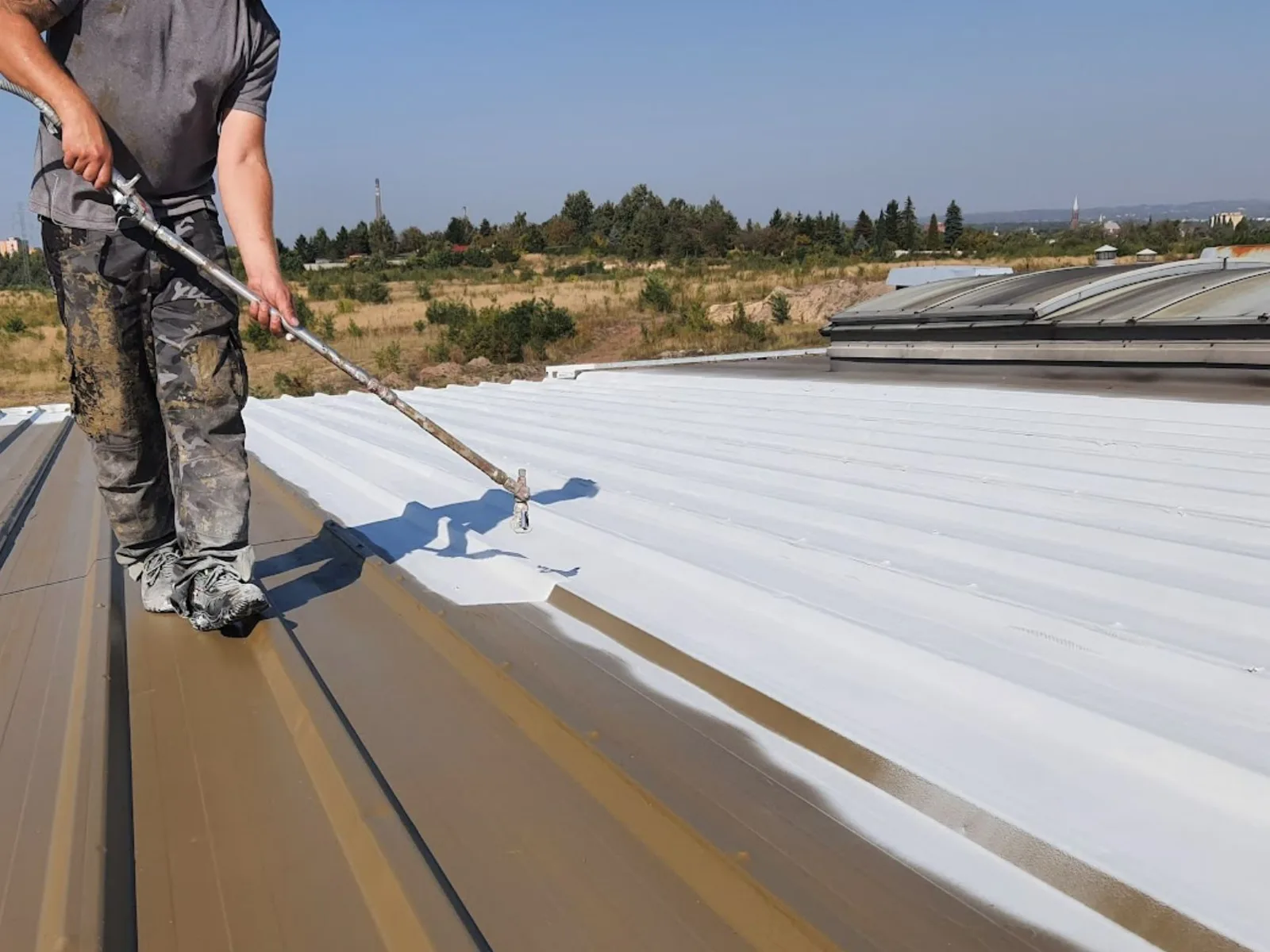
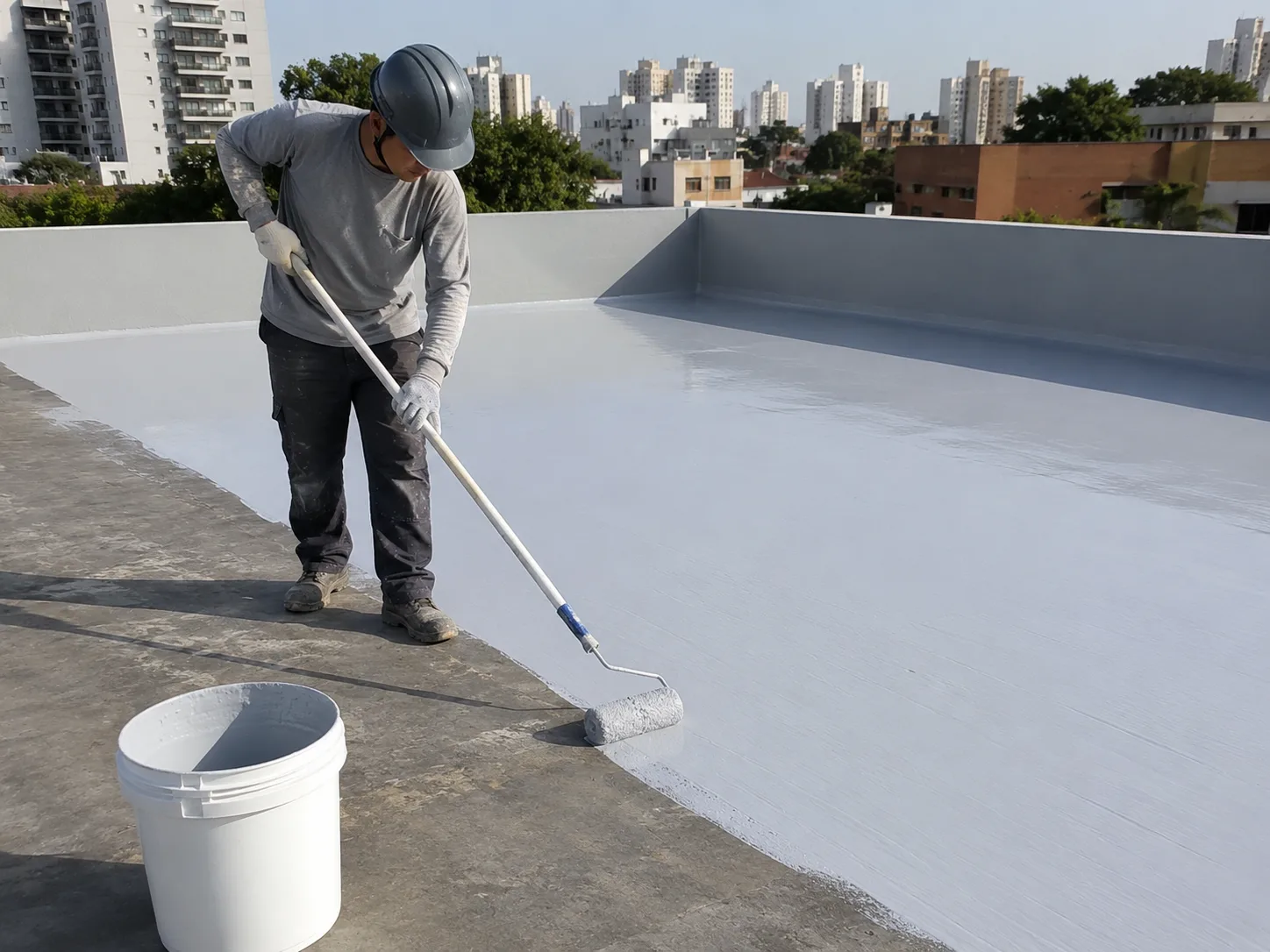
Damp that starts near the ceiling and spreads downward usually comes from the roof, a terrace, or the parapet joint. The water enters at the top and travels through the wall — which is why the stain often appears some distance from the actual leak.
Cause 2: Bathroom and Kitchen Leaks
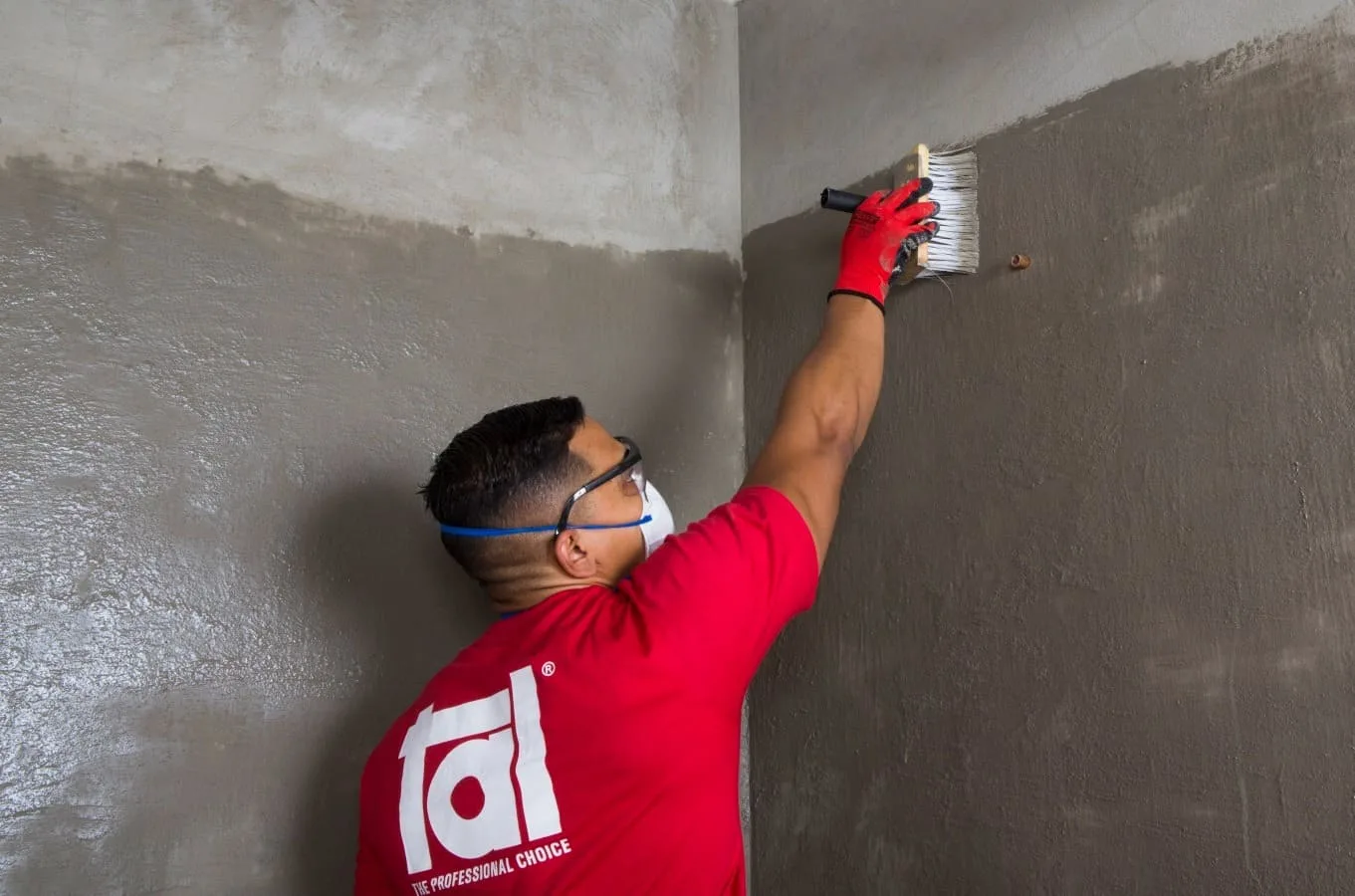
Damp on the wall behind or beside a bathroom is most often failed bathroom waterproofing or a leaking pipe or fitting. Water escapes through tile joints and floor edges, then soaks the adjoining wall for months before it shows.
Cause 3: Rising Damp
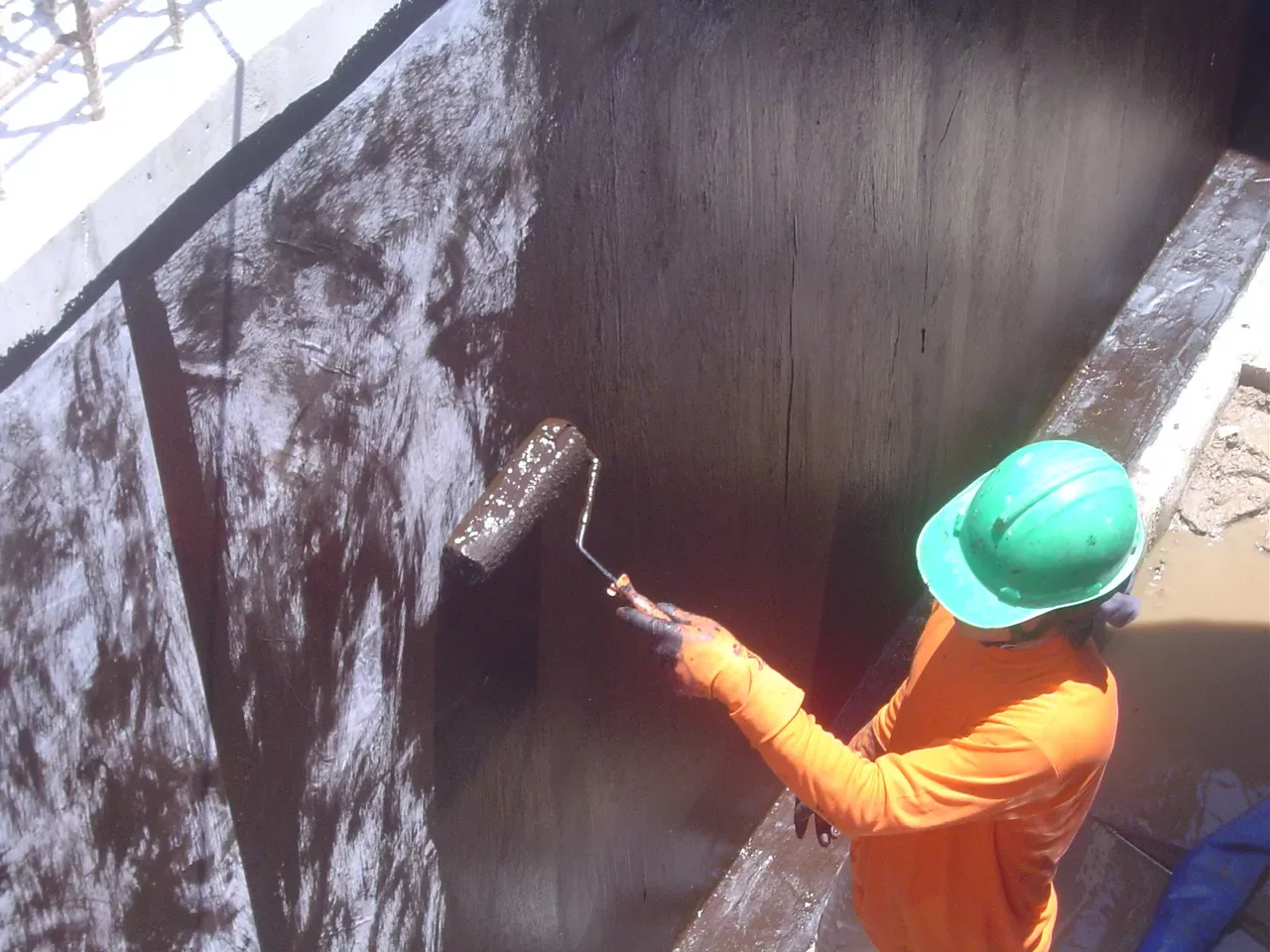
Damp that starts at the floor and climbs the wall — usually with a tide mark and crumbling plaster near the skirting — is groundwater rising through the masonry by capillary action. It is common in ground-floor walls without an effective damp-proof course.
Cause 4: Exterior Cracks and Rain
Wind-driven monsoon rain enters through cracks in exterior plaster, failed joints around windows, and unsealed gaps where pipes and AC lines pass through the wall.
Why Painting Over It Never Works
Water trapped in the wall pushes outward as vapour and carries salts with it. That pressure lifts paint from behind, and the salts leave white, powdery patches. Repainting seals the surface cosmetically while the wall stays wet inside — so the damage quietly continues into the plaster and, over time, the structure.
The lasting fix, in order
Find the source first. Then treat the source — roof or bathroom waterproofing, plumbing repair, rising-damp treatment or exterior sealing — and only then repair the plaster and repaint, once the wall has dried. Fixing in this order is the difference between a repair that lasts years and one that lasts a season.
