Start With the Surface
Walk the whole roof slowly and look at the surface itself. Hairline cracks in the plaster or screed, bubbling or peeling in an old coating, and patches where water clearly ponds after washing the roof are all warning signs. Pay special attention to any place where a previous repair has been done — old patches are the first thing to fail.
Check Joints, Corners and the Parapet
Water rarely enters through the middle of a sound slab. It enters at joints: where the roof meets the parapet wall, around the base of the water tank, around pipes and vents, and at the corners of any raised structure. Look for gaps, separated sealant and cracks running along these edges.
Clear the Drains and Check the Slope
Blocked rainwater outlets are one of the most common causes of "sudden" leaks. Clear leaves, plastic and construction debris from every drain, and confirm that water actually flows toward the outlets instead of collecting in pools. Standing water finds its way through even tiny defects, given a full day of rain.
Pre-monsoon roof checklist
- Walk the full surface — note cracks, bubbles and ponding marks
- Inspect every joint: parapet base, tank base, pipes and corners
- Clear all rainwater drains and test the flow with a bucket of water
- Check ceilings below for stains, damp patches or peeling paint
- Photograph anything you find — it helps any contractor quote accurately
Then Look From Inside
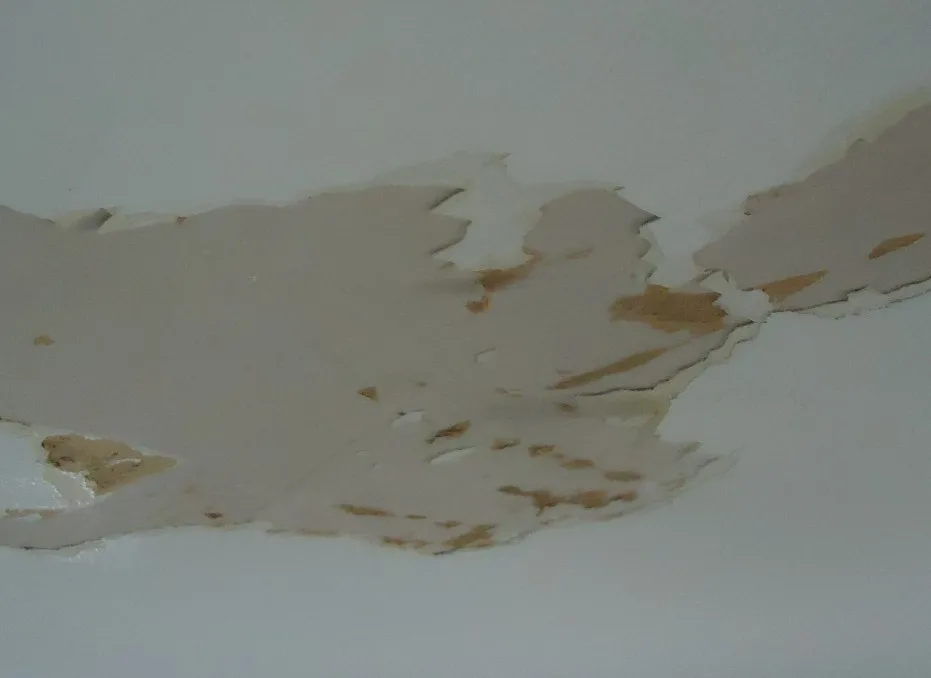
Finish the check indoors. Yellow-brown ceiling stains, damp patches at the top of walls, and paint bubbling near the ceiling line all point to water already moving through the slab — often some distance from where it entered. Mark the spots; a good waterproofing contractor will use them to trace the entry point.
When to Call a Professional
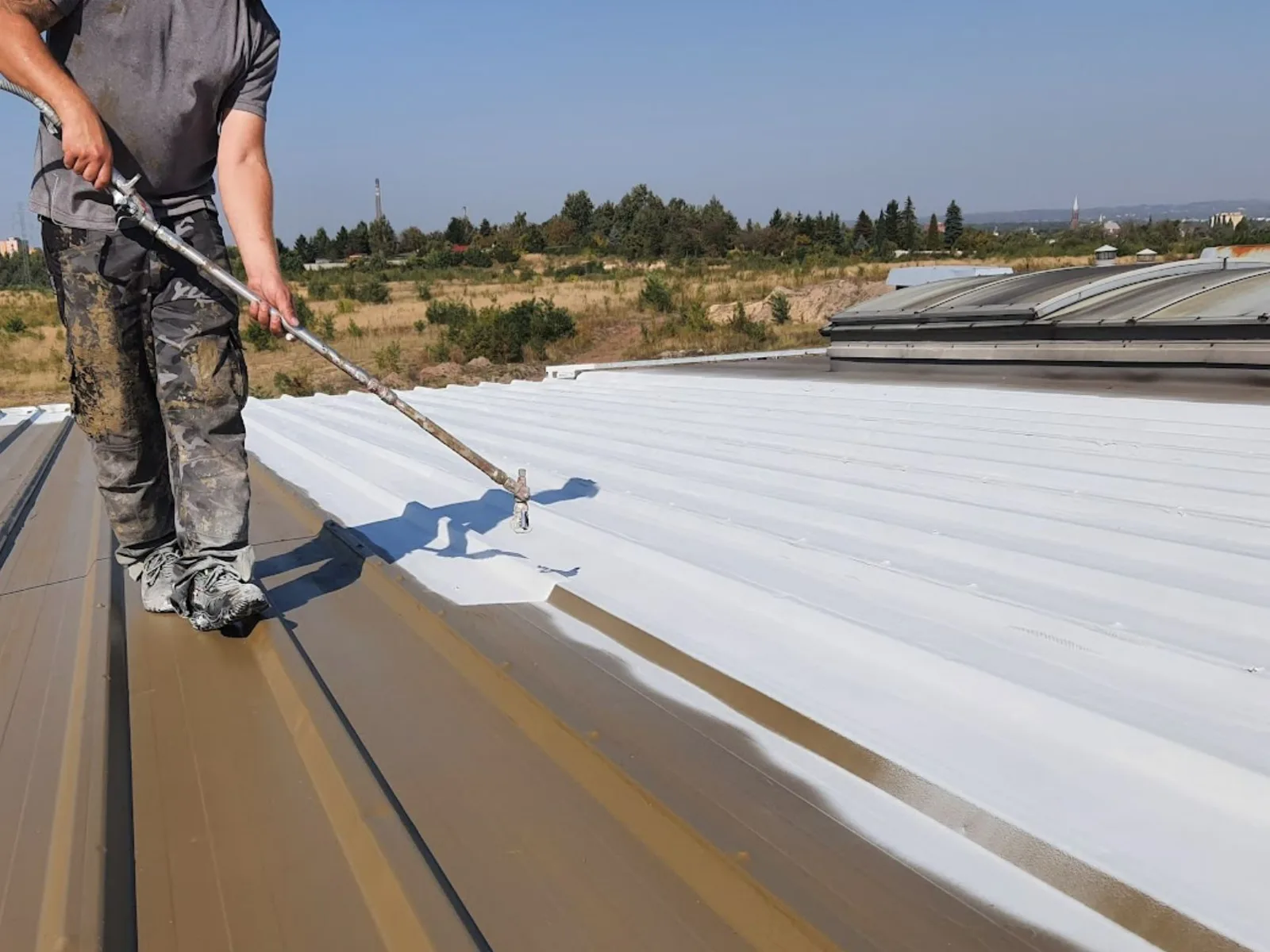
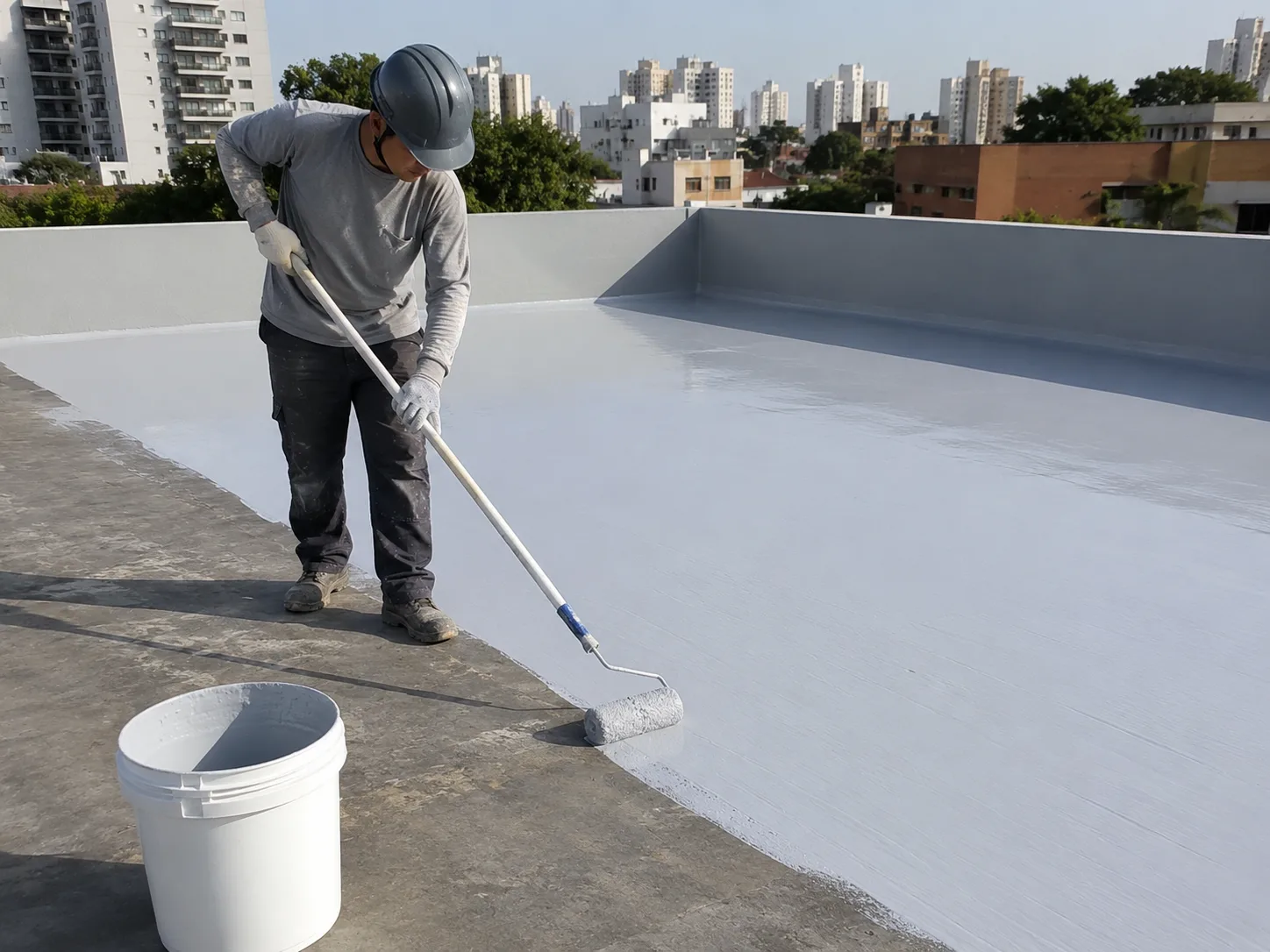
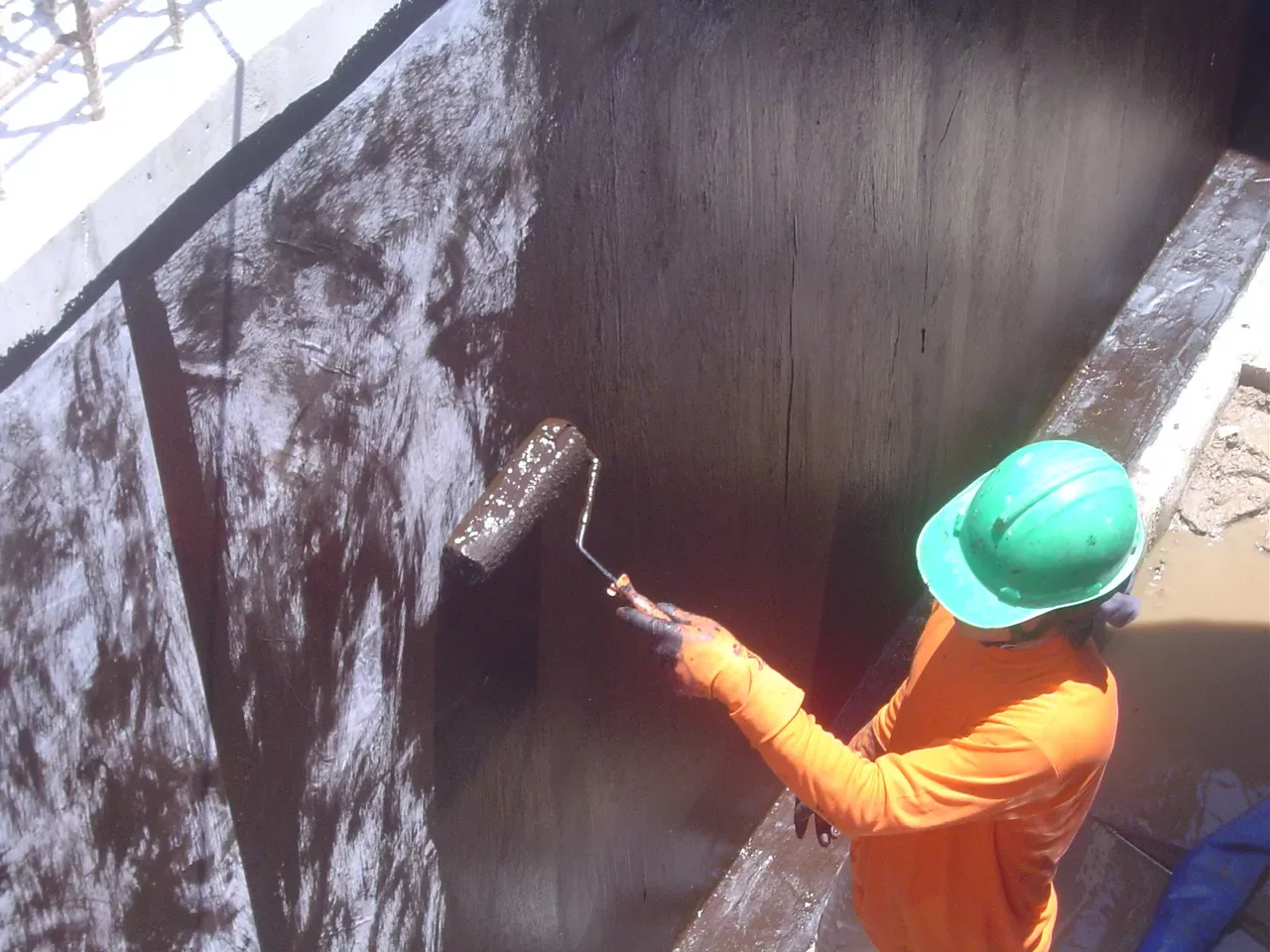
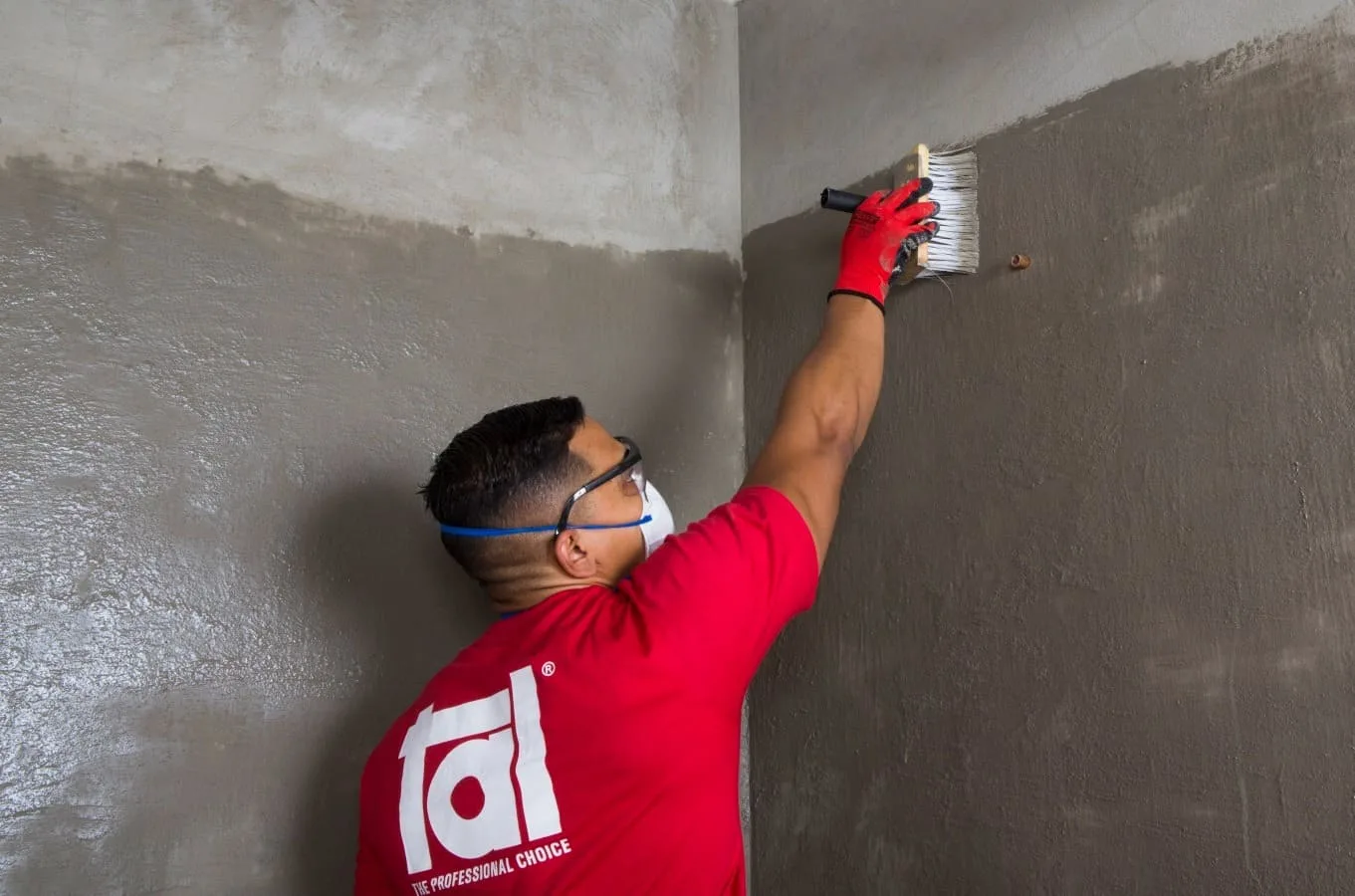
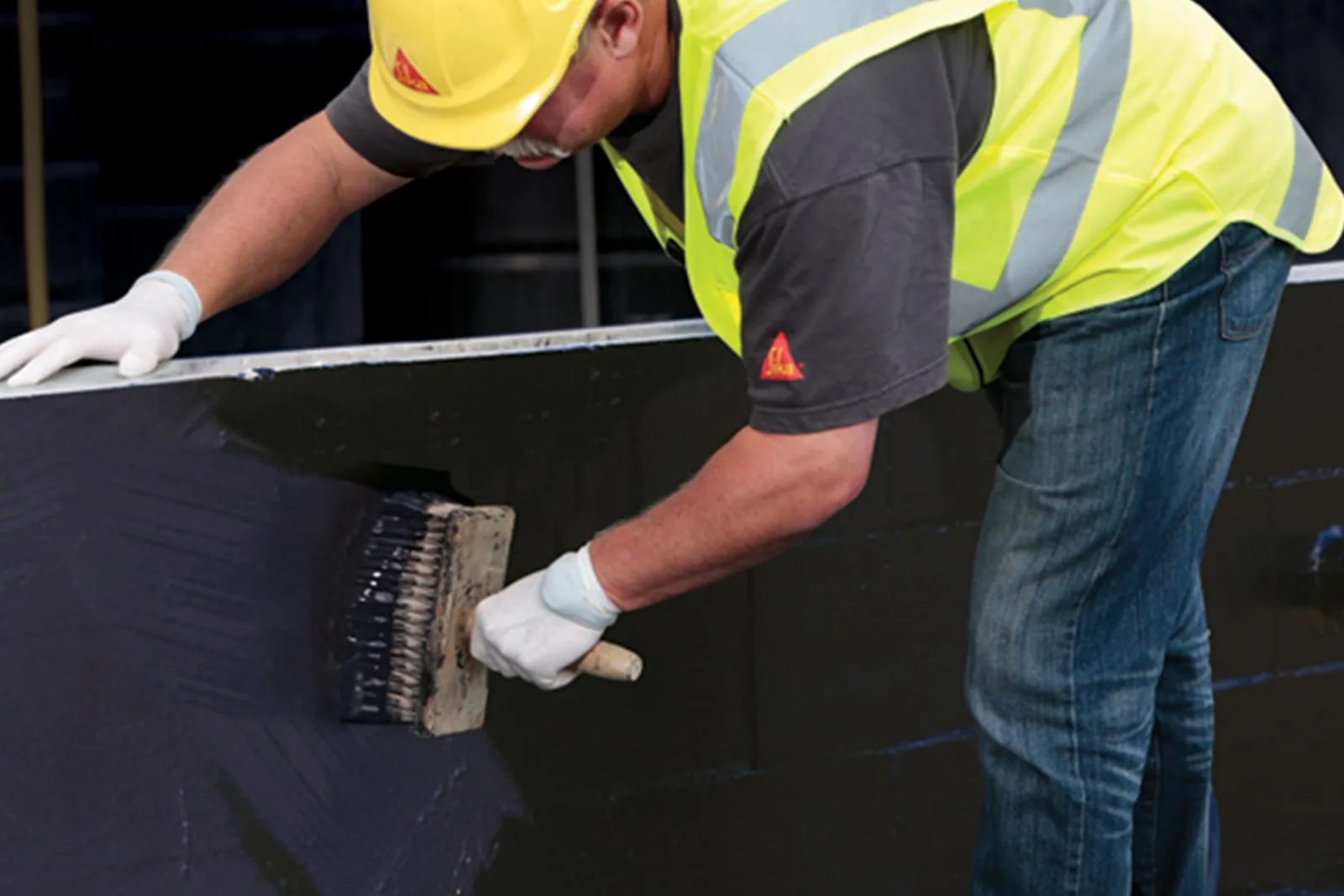
Small, fresh cracks in a sound roof can sometimes be sealed as a stopgap. But if the same leak returns every season, if damp is spreading, or if an old coating is failing across the whole roof, patching will keep costing you money without solving the problem. That is the point for a proper survey and a complete waterproofing system — Polyurethane, Bituminous, Crystalline or Acrylic, chosen for your surface.