

Mosquitoes that spread dengue breed in still, standing water, and it only takes a small amount — a bottle cap, a plant saucer, a clogged gutter. The World Health Organization recommends covering, emptying and cleaning household water containers every week: the mosquito life cycle takes about a week, so removing the water in time means the larvae never become adults. Here is the check, roof to ground, in about ten minutes.
Why a Weekly Check Works
Female Aedes mosquitoes — the ones that spread dengue — lay their eggs in clean, still water: on roofs, in tanks, in any container left outside. The eggs hatch, and the larvae need about 7 to 10 days in water to become adults. That is why the check is weekly: empty or cover the water once a week and the cycle is broken before it completes. It also matters after rain — a single heavy shower can refill every tray, gutter and bucket on your roof overnight.
Start on the Roof
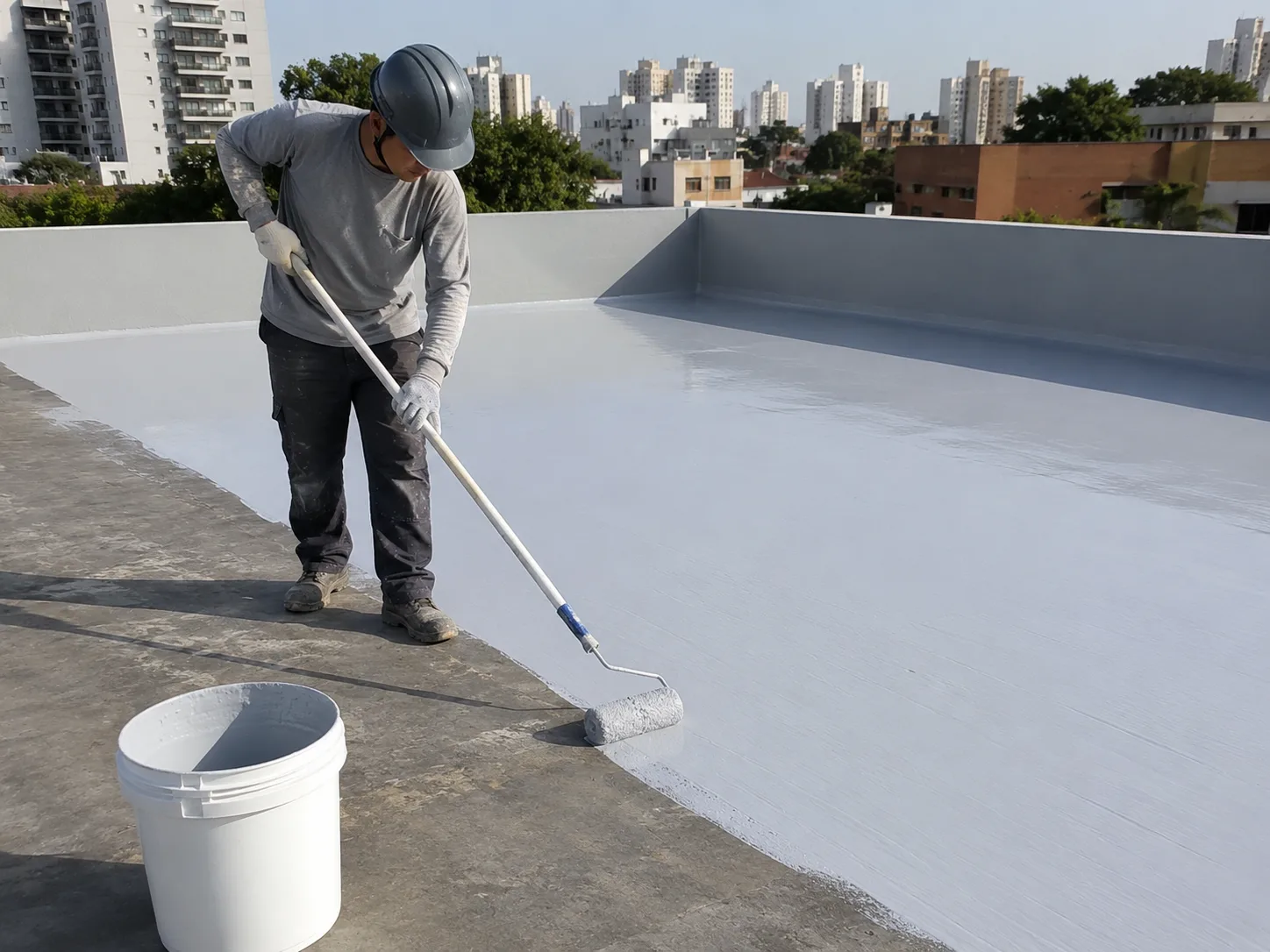
Walk the roof and look for anywhere water sits. Check the gutters and rainwater outlets first — leaves, plastic and construction debris block them, and a blocked outlet turns a flat roof into a shallow pond. Clear every outlet and confirm that water flows toward it instead of pooling. Look at the corners, the parapet base and around the tank base: these are the places where water collects and where leaks start. If water ponds in the same spot after every wash or rain, note it — a roof that holds water needs its slope or drainage fixed, not just a sweep.
Cover Your Water Tanks
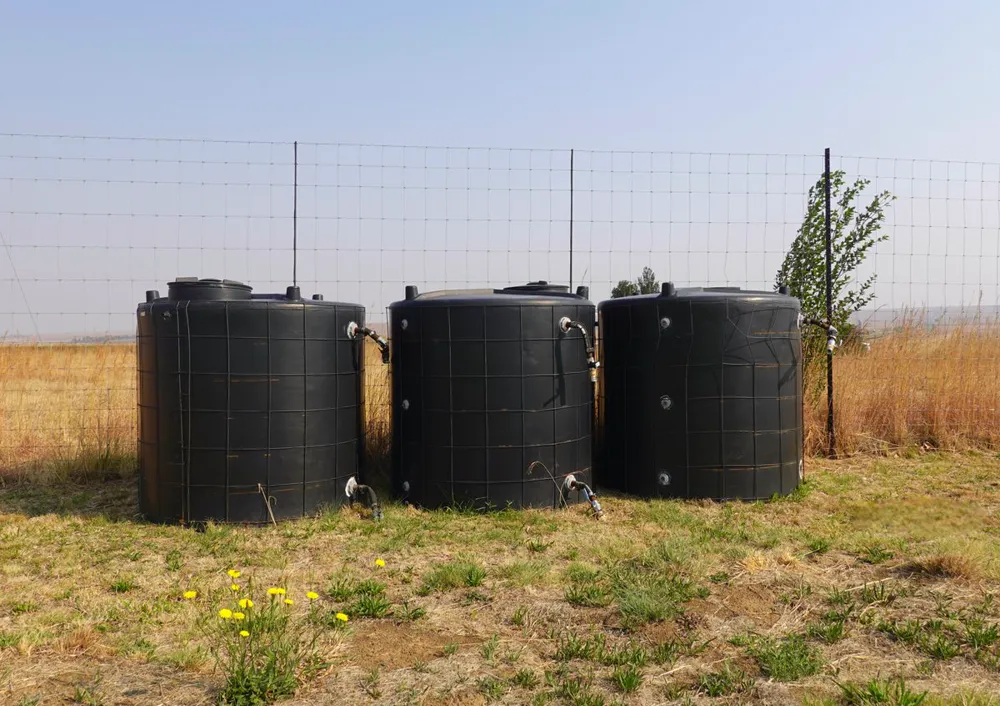
Your overhead tank is the biggest container on your property, so it gets the most attention. Keep it covered with a tight-fitting lid or a mosquito-proof cover at all times, and check the lid every week: lids crack, warp and slip, and even a small gap is enough for mosquitoes to get in and lay eggs. Underground tanks need the same care — an air-tight lid, checked weekly. When the tank is cleaned or the water changed, scrub the inside surfaces before refilling: mosquito eggs can cling to the walls above the waterline and survive drying, then hatch when the tank refills.
Empty and Scrub the Containers
Walk the roof, balcony and yard with a bucket and empty everything that holds water: flowerpot saucers, buckets, trays under air coolers, plant pots and any container left outside. Emptying alone is not enough — scrub the inside of each container to remove eggs stuck to the surface, then turn it upside down or store it under cover so it cannot refill in the next rain. Change the water in flower vases and air coolers every week, and scrub their trays.
Don’t Forget the Small Spots
The smallest spots are the easiest to miss. Old tyres, plastic bottles, cans and broken pots all collect rainwater — throw them away or store them where rain cannot reach them. Check air-conditioner drip trays, the saucers under potted plants, and any tools or toys left outside. After rain, do a quick second pass: it takes five minutes and catches everything the rain refilled.
Weekly standing-water checklist
- Clear roof gutters and rainwater outlets — water must flow, not pool
- Check the overhead tank lid and the underground tank lid — tight, with no cracks or gaps
- Empty and scrub buckets, saucers, cooler trays and plant pots; store them upside down or under cover
- Change the water in vases and air coolers; scrub the trays
- Throw away tyres, bottles, cans and broken pots that collect rain
- After rain, repeat the roof check — five minutes is enough
When to Call IBS
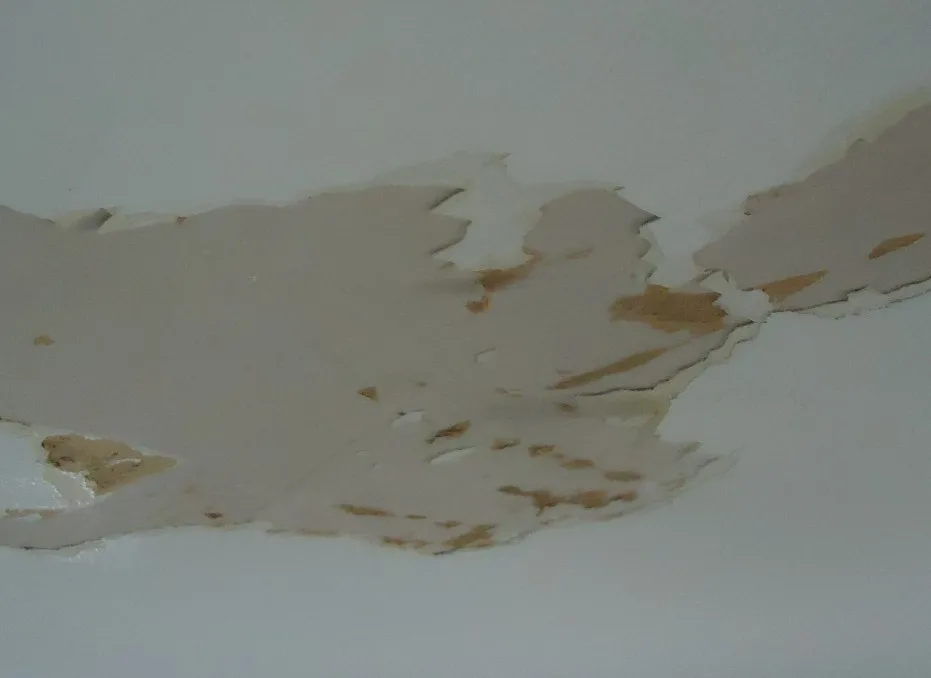
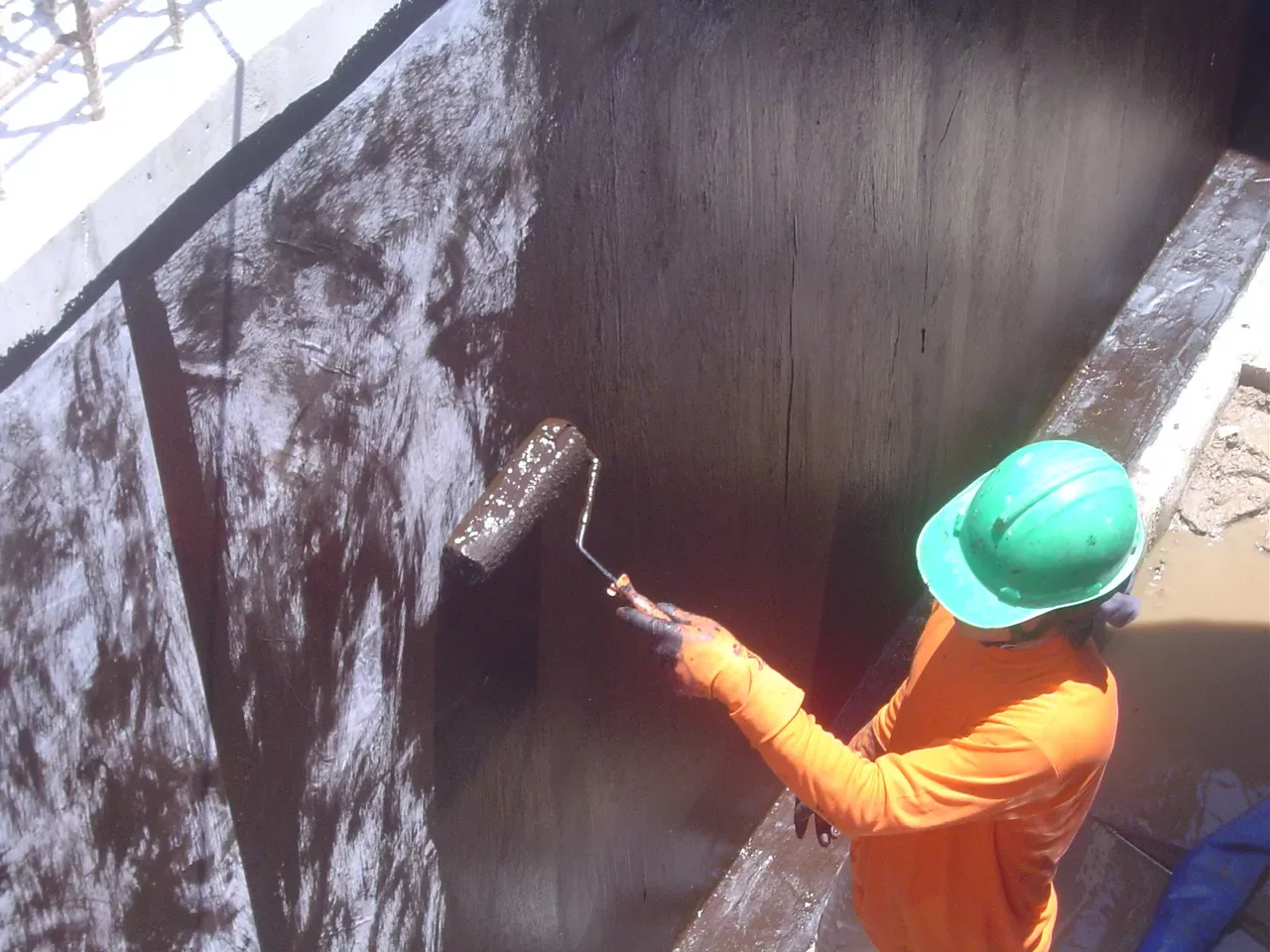
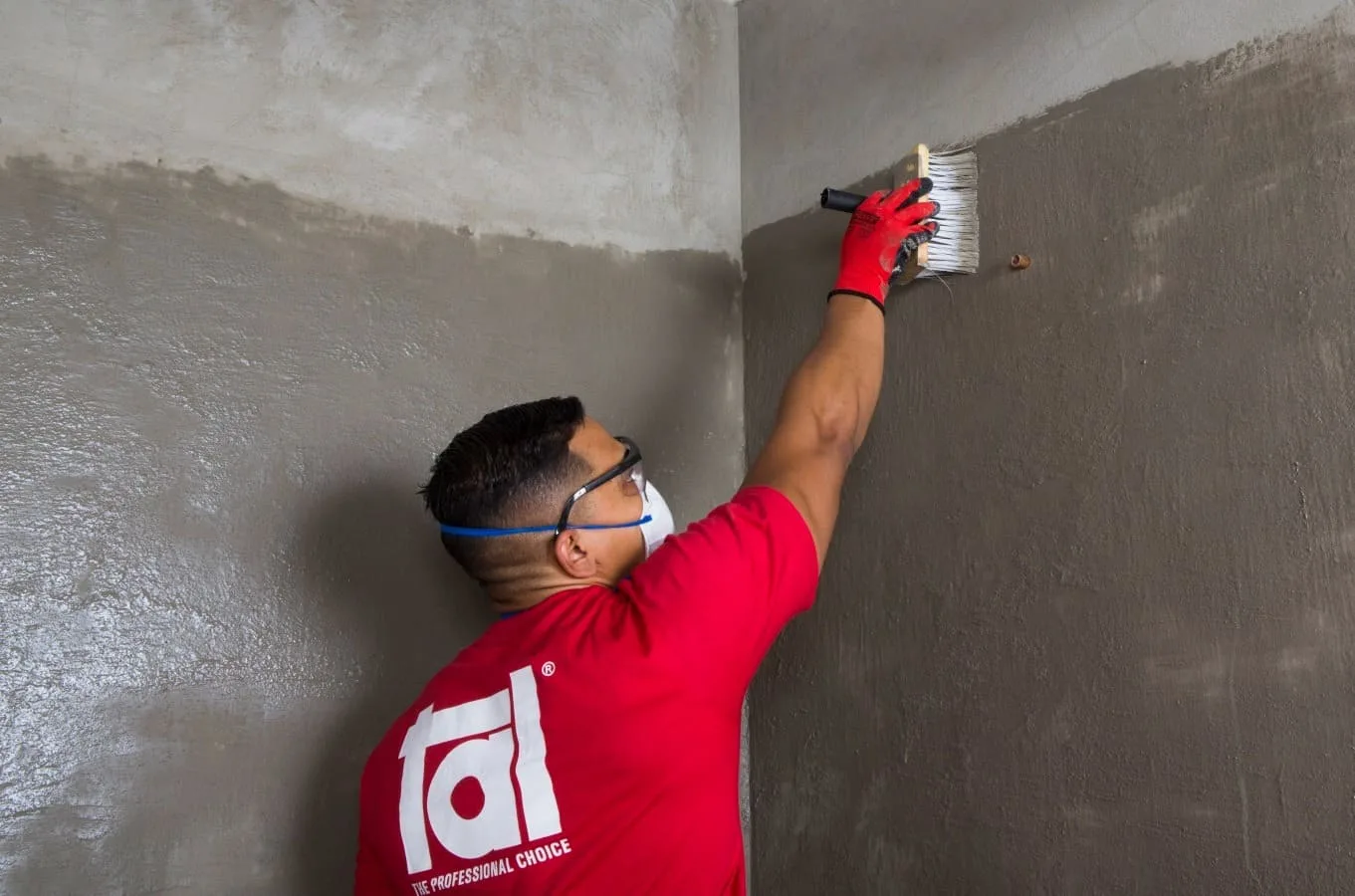
Some standing water is a maintenance job; some of it is a building problem. Call IBS for a free consultation if water keeps ponding in the same place on your roof after every rain, if the roof slab or tank base is cracked, if water seeps through the ceiling below the tank, or if the tank’s waterproofing has failed. We inspect the roof and tank, find where the water is coming from, and quote the fix — waterproofing, drainage correction or tank-base repair.